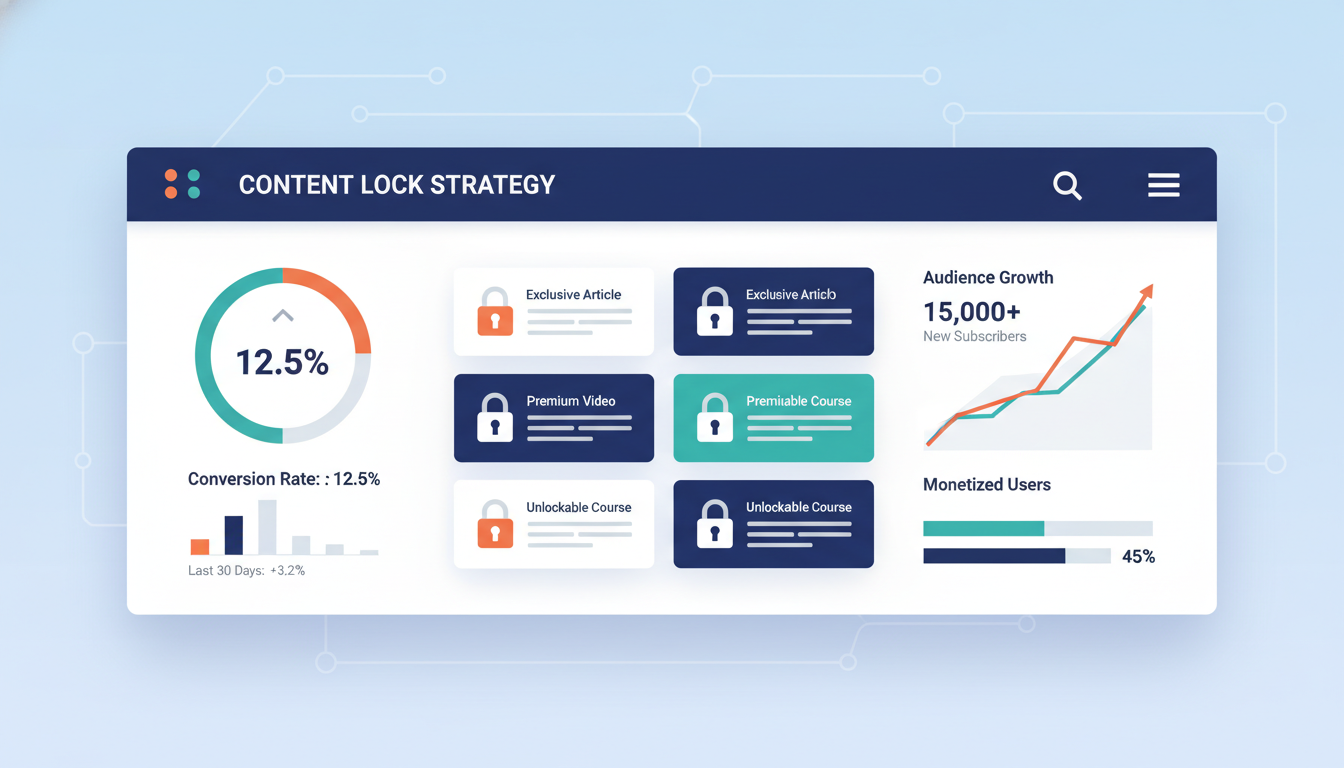
The Ultimate Guide to Content Locking for Audience Growth
Content locking is a proven method to convert casual visitors into engaged followers. Instead of relying solely on passive calls-to-action, content locks create a clear value exchange that encourages users to take meaningful action.
This comprehensive guide covers everything you need to know about content locking, from initial setup to advanced optimization techniques. Whether you are just starting or looking to improve existing results, this guide provides practical and ethical strategies for sustainable growth.
What Is Content Locking?
Content locking is a strategy where access to specific content is restricted until the user completes a defined action. These actions may include following a social account, subscribing to a channel, or signing up for a newsletter.
The goal is not to block content arbitrarily, but to offer something valuable enough that users willingly engage in exchange for access.
Why Content Locking Works
Many visitors consume content without taking further action. Content locking helps bridge this gap by creating a moment of decision.
- Transforms passive visitors into active followers
- Improves conversion rates without paid advertising
- Builds a more engaged and intentional audience
- Encourages long-term growth rather than vanity metrics
What You Will Learn in This Guide
- How to create effective content locks
- Best practices for maximum conversions
- Platform-specific strategies
- Analytics and performance tracking
- Common mistakes to avoid
How to Create Effective Content Locks
Choose the Right Content to Lock
Not all content should be locked. High-performing locked content typically includes exclusive resources, advanced tutorials, downloadable assets, or early access materials.
Define a Clear Action
Users should immediately understand what action is required and what they receive in return. Simplicity and clarity are essential for high conversion rates.
Keep the Unlock Process Simple
The fewer steps required to unlock content, the higher the likelihood that users will complete the action.
Best Practices for Maximum Conversions
Deliver Value First
Preview content or partial access builds trust before asking for action. Users are more likely to engage when they see clear value upfront.
Use Clear Messaging
Explain why the content is locked and how it benefits the user. Transparency improves both trust and performance.
Test Different Configurations
Experiment with messaging, placement, and content types to determine what resonates most with your audience.
Platform-Specific Content Locking Strategies
Different platforms require different approaches. For example, social media audiences respond well to exclusive content, while website visitors may prefer downloadable resources or tools.
Adapting content locks to platform behavior significantly improves results.
Analytics and Performance Tracking
Tracking performance is critical to long-term success. Monitor metrics such as unlock rate, conversion rate, and audience retention to understand what works and what needs improvement.
Common Content Locking Mistakes to Avoid
- Locking low-value or generic content
- Using unclear or misleading messaging
- Requiring too many actions to unlock
- Ignoring analytics and user feedback
Real-World Use Case
A content creator offering premium tutorials used content locking to gate advanced lessons. By focusing on high-value material and clear calls-to-action, the creator increased audience engagement without negatively impacting trust.
FAQ
Is content locking suitable for beginners?
Yes. When implemented correctly, content locking can help new creators convert early visitors into long-term followers.
Does content locking affect SEO?
When preview content remains accessible and locks are used responsibly, content locking can coexist with strong SEO performance.
How often should content locks be optimized?
Regular reviews, typically monthly, help ensure continued effectiveness.
For further learning, explore related internal articles on audience engagement, conversion optimization, and ethical growth strategies.